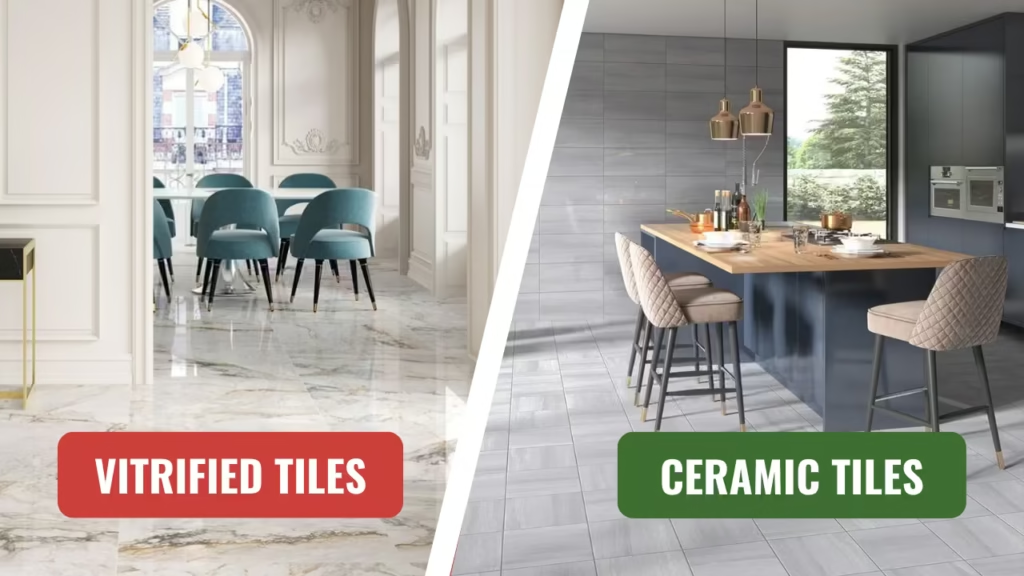
Building or renovating a home in the Mumbai Metropolitan Region brings a unique set of challenges, specifically, humidity and heavy monsoons. When choosing flooring, the most common debate homeowners face is: “Should I choose Ceramic or Vitrified tiles?”
While they may look similar in the showroom, they are chemically different. As Civil Creation, a leading flooring contractor in Thane and Mumbai, we have installed lakhs of square feet of both.
Here is the honest, technical breakdown to help you decide.
The Core Difference: How They Are Made
1. Ceramic Tiles
These are made from natural clay mixed with water, fired in a kiln. They are essentially “baked earth.” They are generally more porous and have a glaze on top for color.
2. Vitrified Tiles (The Modern Standard)
These are composed of a mixture of clay, silica, quartz, and feldspar. The term “Vitrified” means they go through a process of vitrification, turning into a glass-like substance under intense heat. This makes them non-porous and extremely hard.
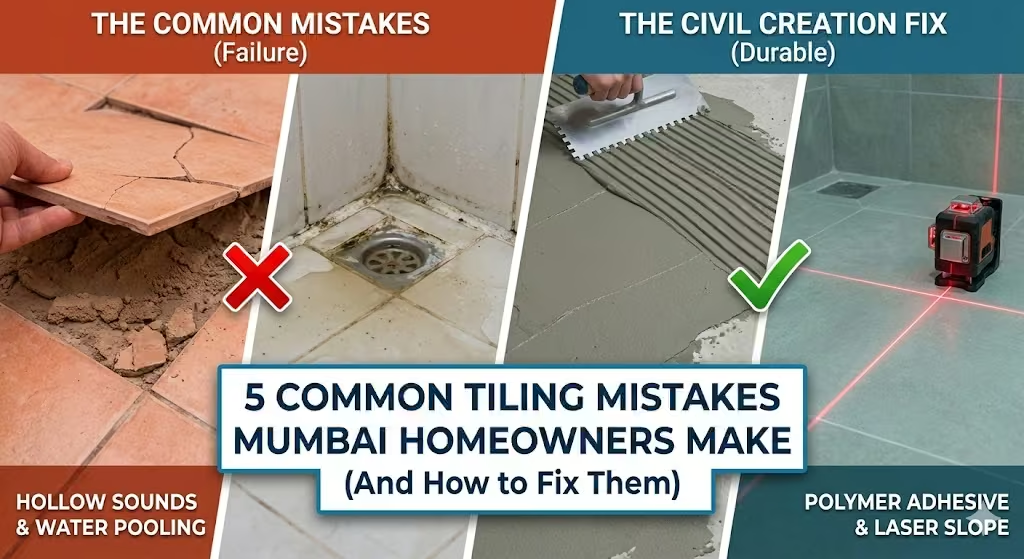
Even the best vitrified tiles can fail if installed poorly. Read about the Common Tiling Mistakes to avoid.
Comparison Table: At a Glance
| Feature | Ceramic Tiles | Vitrified Tiles (GVT/PGVT) |
| Durability | Moderate. Can crack under heavy impact. | Extremely High. Scratch and stain-resistant. |
| Water Absorption | High (Absorbs water). | Very Low (<0.05% absorption). |
| Joints | Requires wider grout lines (spacers). | Can be “Paper Joint” (hairline) installed. |
| Appearance | Rustic, natural look. | Glossy, marble-finish, seamless look. |
| Cost (Material) | ₹35 – ₹60 per sq. ft. | ₹55 – ₹150+ per sq. ft. |
| Best For | Bathrooms, Balconies, Walls. | Living Rooms, Bedrooms, Offices. |
The “Mumbai Factor”: Why Water Absorption Matters
This is crucial for homes in Thane, Navi Mumbai, and South Mumbai.
Mumbai has high humidity. Ceramic tiles are porous; they absorb moisture. Over time, this can lead to:
- Dampness spreading to walls.
- Fungus or mold growth in grout lines.
- The “musty smell” in old apartments.
Vitrified tiles, being non-porous, do not absorb water. This makes them the superior choice for Living Rooms and Bedrooms in Mumbai apartments. They repel moisture and keep the floor cool.
Types of Vitrified Tiles You Will Hear About
When you visit a showroom in Mumbai, vendors will throw acronyms at you. Here is what they mean:
- Double Charged: The design layer is thicker. Very durable, great for rough use. Limited design options.
- GVT (Glazed Vitrified Tiles): Has a layer of glaze. Offers wooden or stone textures (Anti-skid options available).
- PGVT (Polished Glazed Vitrified Tiles): High-gloss finish. Looks like Italian marble. Ideal for luxury living rooms in South Mumbai.
Our Recommendation as Contractors
At Civil Creation, we follow a strict rule for our projects:
- For Living Rooms & Bedrooms: Go with PGVT or Double Charged Vitrified Tiles. They handle furniture weight better and give that “seamless” look because we can install them with paper-thin joints.
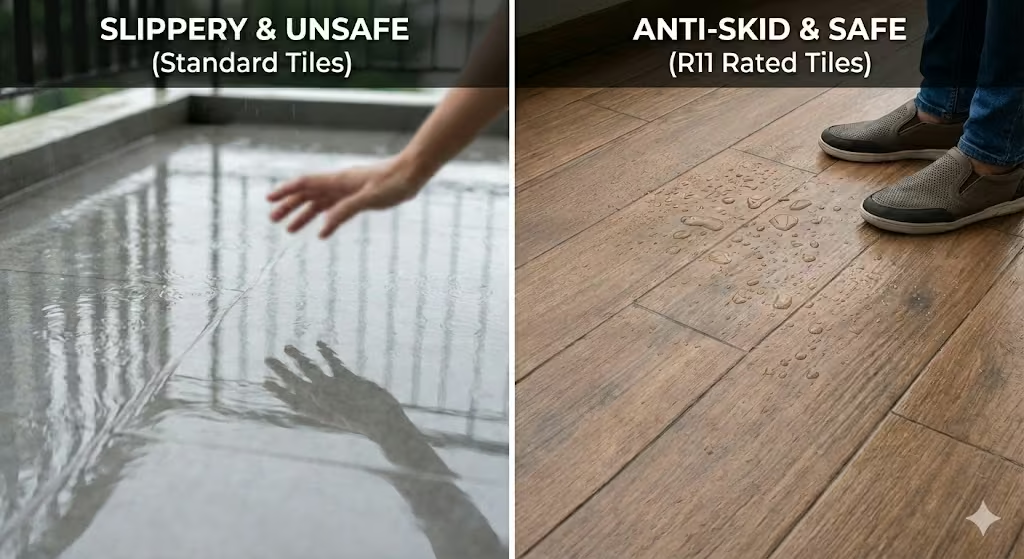
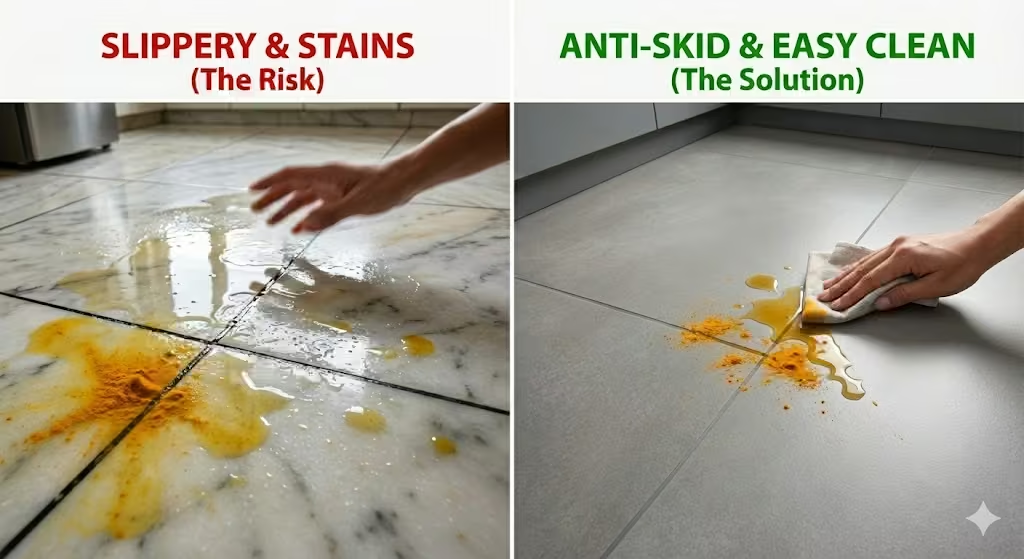
- For Bathrooms & Balconies: Stick to Anti-Skid Ceramic or Matte GVT. You need the friction to prevent slipping when the floor is wet.
A Note on Installation (Don’t Ignore This!)
Vitrified tiles are heavy and dense. You cannot use old-school cement slurry to stick them. They will pop out after a year (a common problem in new Mumbai towers).
We recommend (and use) Polymer-Modified Adhesives (Type 2 or Type 3) for all Vitrified installations. This ensures a chemical bond that lasts decades, even with building vibrations.
Need help selecting the right tile?
Contact Civil Creation for a site visit. We will check your floor level and suggest the best tile type for your budget and location.